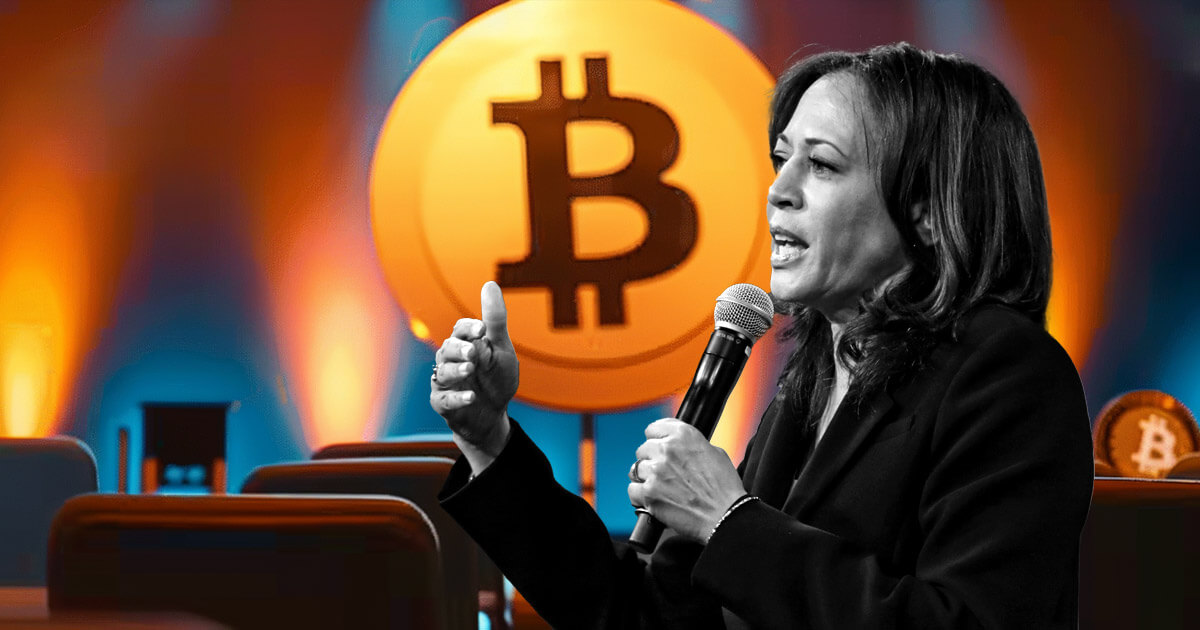

Why do people invest in BTC?
Many people invest in Bitcoin because they believe it embodies values of freedom and privacy. It empowers individuals to save and spend their wealth independently of governments and financial institutions that are subject to mismanagement and corruption.
It is also digitally durable, enabling it to transcend physical decay; verifiable, allowing transactions to be cryptographically validated; and scarce, with a computer algorithm limiting its supply to 21 million coins.
It’s a decentralized currency
Bitcoin is a form of digital currency that operates independently from central banks and other financial institutions. It uses a distributed ledger technology called blockchain to manage transactions and track ownership. This system allows thousands of computers to process and store transactions simultaneously. This makes it difficult for anyone to double spend their bitcoins and also protects against censorship or shutdown. In addition, the network rewards these computers with bitcoins for verifying and securing transaction data.
Investors in Bitcoin can use it as a payment method or as an investment in their own right. It is increasingly accepted by businesses, including electric car company Tesla and major banks like PayPal. The cryptocurrency is a popular choice for investors who want to diversify their portfolios. However, some experts warn that bitcoin is a volatile asset and should be treated as a speculative investment.
While some people invest in Bitcoin for its monetary value, others do so as a symbol of resistance against mainstream finance and government policies. Investing in cryptocurrency represents a step toward financial sovereignty and freedom. Its decentralized nature is a key advantage over traditional investments, which are often subject to inflation and political instability.
Unlike fiat currencies, which are backed by the government’s promise to honor their worth in cash, Bitcoin is not backed by any physical commodity. Its value is instead derived from a combination of factors, such as its scarcity, which is regulated by a computer algorithm and limited to 21 million digital coins. Moreover, it is durable, existing digitally without the risk of physical decay; portable, enabling easy transfers across long distances; and divisible, allowing micro-transactions to be verified and recorded.
Another factor that makes Bitcoin attractive is its relative anonymity. This feature is particularly appealing to libertarians, as it gives them a way to conduct transactions without the involvement of a central authority. However, the relative anonymity of Bitcoin can also be used for illegal activities. Regardless, the popularity of Bitcoin is growing, especially among minorities. A recent survey found that 24 percent of Asian and 21 percent of black adults have invested in or used cryptocurrencies.
It’s a store of value
Bitcoin has been compared to gold as a store of value, and some believe that its value will increase even more over time. Its scarcity, decentralized network, and lack of reliance on energy-intensive hardware make it durable. In addition, it is difficult to fake or counterfeit, which makes it a safe investment for long periods of time. The price volatility that Bitcoin is prone to attracts attention, but the digital asset class has survived and thrived amid geopolitical escalations, global inflation, and stock market volatility.
Its price volatility can be explained by the same factors that make other assets valuable: supply, demand, and fear. While it is impossible to say whether btc will remain stable, many experts have cited its potential to become a global reserve currency and alternative to fiat currencies.
Unlike traditional currencies, which are backed by government reserves, Bitcoin is a peer-to-peer digital currency that is not regulated by any central authority. In addition to facilitating global transactions, it is highly resilient in times of economic uncertainty and is secure because of its blockchain technology. This is why it has been embraced by investors around the world, including Wall Street.
Although the Bitcoin market is volatile, its popularity is increasing because of its benefits as a medium of exchange and a store of value. The cryptocurrency is easy to transfer across the globe, and it is irreversible, which is a big advantage over credit cards and other conventional online payment methods. Moreover, Bitcoin transactions are not subject to fees and can be completed in minutes. In addition, the crypto is globally portable, which makes it easier to use in remote areas.

Many people buy cryptocurrencies as an investment, believing that their prices will increase in the future. However, it is important to understand the fundamental reasons for buying and holding a currency. To be a good store of value, an asset must have some characteristics: Durability, liquidity, and scarcity. Historically, shells, beads, animal skins, and precious metals have been used as stores of value. Ultimately, the only way to know if an item is a good store of value is to test it against other assets in a real-world context.
It’s a tool for advancing liberty
The emergence of Bitcoin has redefined financial freedom. Unlike traditional currencies, it operates on a peer-to-peer network and uses cryptographic proof instead of trust. This allows it to operate independently from centralized powers like governments and banks. Moreover, it is nearly impossible to ban. The fact that governments and central banks cannot control the supply of bitcoin has helped it attract a global investor base. Consequently, it is a popular investment option for people seeking financial independence.
Bitcoin’s limited supply has also made it a sought-after digital asset with the potential to appreciate in value over time. In addition, it has demonstrated a high level of stability during periods of economic uncertainty. Investors can use it to hedge against inflation and other economic threats, making it a valuable tool for long-term wealth preservation. Additionally, cryptocurrencies are often used as an alternative to fiat currencies, which can be vulnerable to inflationary pressures and political instability.
Moreover, Bitcoin can be sent across borders more easily than cash and other traditional currencies. This is especially important for migrant workers who are sending money home from their countries of origin. The blockchain system of cryptocurrencies makes it nearly instantaneous to send and receive payments. In addition, cryptocurrencies can be stored in multiple places, giving users greater control over their assets. They can also provide a layer of privacy, which is not available with most national currencies.
In recent years, major investors and institutions have begun to offer Bitcoin-related products. In addition, many of these investors are looking for alternatives to risky growth stocks amid rising interest rates. As a result, the cryptocurrency is gaining popularity as a potential store of value and a safe haven from inflation.
Despite these benefits, Bitcoin remains controversial. Some critics believe that its price volatility renders it useless as a currency. Others point out that the cryptocurrency can be used for illicit activities, such as drug trafficking and money laundering. Nevertheless, the technology is still very new, and its prospects for the future are exciting. As the movement for freedom grows, it is crucial to understand how to make it effective and enduring. “Strategies for Liberty” is a powerful contribution to this debate, providing a playbook and guidance for those who want to build prosperous societies where individual rights are upheld.
It’s a commodity
Bitcoin is a digital asset that has gained popularity for its role as a store of value and a medium of exchange. Its price volatility makes it a risky investment, but it also offers the potential for long-term growth. Its value depends on demand and scarcity, just like other assets, such as gold or diamonds. Its creator, the pseudonymous Satoshi Nakamoto, set the number of coins to 21 million, which ensures that demand will drive its price over time.
While many financial planners recommend that people invest in a broad range of assets, including stocks and bonds, some suggest that investors consider bitcoin as an option for wealth creation. The cryptocurrency’s growing adoption by financial institutions, companies, and governments demonstrates its potential to transform the way we use money. Bitcoin is a highly accessible and secure form of currency that provides the benefits of traditional investments without requiring invasive credit checks or income requirements.
The excitement around bitcoin is also fueled by young adults’ desire to build wealth, which is difficult in a tight economy. Millennials have been locked out of the kind of assets that would allow them to generate any form of wealth, Breton says, adding that many see bitcoin as a tool for liberation from an unsustainable economic system. Despite the volatility of bitcoin’s price, it has grown dramatically since its debut in 2009.
As more institutions and governments adopt Bitcoin, the demand for the cryptocurrency will continue to increase. This will drive its price, which is expected to rise significantly over the next few years. Moreover, its increased security and efficiency will make it an attractive alternative to cash.
Investors can buy and sell Bitcoin through a variety of platforms, from exchanges to peer-to-peer marketplaces. While some exchanges are regulated, most are not. Consequently, many investors prefer to purchase bitcoin through ETFs, which are akin to mutual funds. These are a safer and more transparent investment option, compared to spot trading on unregulated platforms. In addition, ETFs are backed by assets, rather than debt, which reduces the risk of default.