

bid-ask in quote trade
Understanding the bid-ask in quote trade is fundamental to grasping how financial markets operate and how traders interact with price quotes. The bid-ask spread represents the difference between the highest price a buyer is willing to pay (the bid) and the lowest price a seller is willing to accept (the ask). In the context of a quote trade, the bid-ask spread plays a critical role in determining the price at which trades are executed and the cost of trading for market participants.
In a quote trade, a broker or dealer provides a quote indicating both a bid price and an ask price for a particular security or asset. The bid price is the price at which the broker or dealer is willing to buy the asset, while the ask price is the price at which they are willing to sell. The difference between these two prices is the bid-ask spread, which can be viewed as a measure of market liquidity and transaction cost. The tighter the bid-ask spread, the lower the cost of trading, as traders pay less difference between buying and selling prices.
The bid-ask spread in quote trade varies depending on several factors such as the asset’s liquidity, market volatility, and the presence of market makers. Highly liquid assets like major currency pairs or large-cap stocks typically have narrower bid-ask spreads because many buyers and sellers are actively trading, creating a more competitive pricing environment. On the other hand, less liquid assets or those with lower trading volumes tend to have wider bid-ask spreads, reflecting higher transaction costs and greater difficulty in executing trades at favorable prices.
Market makers play a crucial role in establishing the bid-ask in quote trade by continuously quoting bid and ask prices and standing ready to buy or sell the asset. They earn profits from the bid-ask spread by buying at the bid price and selling at the ask price. The size of the spread compensates market makers for the risk they take on by holding inventory and providing liquidity to the market. In fast-moving or volatile markets, market makers may widen the bid-ask spread to protect themselves from rapid price changes that could lead to losses.
What’s the bid-ask in quote trade?
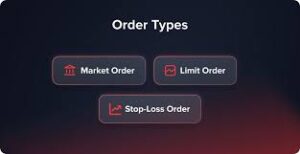
In the environment of electronic trading platforms, the bid-ask spread in quote trade is displayed in real-time, allowing traders to see the current market prices before executing a trade. This transparency helps traders make informed decisions, knowing the exact cost of entering or exiting a position. Additionally, some platforms offer advanced order types that enable traders to specify whether they want to trade at the bid, ask, or somewhere within the spread, providing more control over execution.
It’s important to recognize that the bid-ask in quote trade is not static. It can change rapidly as market conditions evolve. News events, economic data releases, or sudden shifts in supply and demand can cause spreads to widen or narrow. Traders need to be aware of these dynamics, especially when trading less liquid assets or during periods of high volatility, as the bid-ask spread directly impacts trade execution costs.
Furthermore, the bid-ask spread influences the pricing of quote trades by determining the midpoint price, which is often considered the fair market value. Some trading strategies focus on capturing profits by buying at or near the bid and selling at or near the ask, effectively earning the spread. Understanding how the bid-ask functions in quote trade helps traders appreciate the mechanics behind pricing and the costs involved in entering or exiting positions.
In summary, the bid-ask in quote trade is the fundamental pricing structure that defines the prices at which traders can buy or sell an asset. The spread between the bid and ask reflects market liquidity, trading costs, and the risks assumed by market makers. For anyone engaging in quote trade, recognizing the significance of the bid-ask spread is essential for effective trade execution and managing transaction costs. The dynamic nature of the bid-ask ensures that traders must remain attentive to market conditions to optimize their trading strategies.