

best practices in PCB manufacturing
Printed Circuit Boards (PCBs) are the backbone of modern electronic devices, serving as the foundation for connecting various electronic components. As technology evolves, the complexity of PCBs increases, necessitating adherence to best practices in manufacturing to ensure reliability, efficiency, and cost-effectiveness. Implementing these best practices is essential for maintaining high-quality standards and meeting customer expectations in the highly competitive electronics industry.
One of the most critical best practices in PCB manufacturing is Design for Manufacturability (DFM). DFM involves designing PCBs with the manufacturing process in mind, ensuring that they can be efficiently produced without compromising quality. This includes considerations such as component placement, trace width, and pad size, which should be optimized for the capabilities of the manufacturing process. Collaborating with manufacturers during the design phase can help identify potential issues early on, reducing the likelihood of costly redesigns and production delays.
The selection of high-quality materials is fundamental to pcb manufacturing. Using top-grade substrates, such as FR-4, polyimide, or other advanced materials, can significantly impact the board’s performance and longevity. Additionally, ensuring that all components, including solder and surface finishes, meet industry standards helps mitigate reliability issues. Manufacturers should establish strong relationships with trusted suppliers to guarantee consistent material quality, reducing the risk of defects that could lead to product failures.
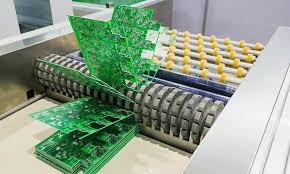
What are the best practices in PCB manufacturing?
Automation is increasingly becoming a standard practice in PCB manufacturing. Employing automated equipment, such as pick-and-place machines, soldering robots, and inspection systems, can enhance production efficiency and accuracy. Automation reduces the likelihood of human error, improves consistency, and enables manufacturers to achieve higher production rates. Additionally, automated inspection processes, like Automated Optical Inspection (AOI), can quickly identify defects and ensure that only quality products proceed to assembly.
Implementing rigorous testing protocols is crucial for ensuring the reliability and performance of PCBs. Comprehensive testing should include both in-circuit testing (ICT) and functional testing to identify defects and validate that the board operates as intended. Quality control measures should be in place at every stage of manufacturing, from material inspection to final assembly. Continuous monitoring of production processes helps identify areas for improvement and ensures that quality standards are consistently met.
Handling and storage practices can significantly affect the quality of PCBs. It is essential to maintain appropriate environmental conditions, including temperature and humidity, to prevent damage during storage. Additionally, using anti-static packaging and tools helps protect sensitive components from electrostatic discharge (ESD). Training staff on proper handling techniques and the importance of ESD protection can further reduce the risk of damage and defects.
Adopting a culture of continuous improvement is vital in PCB manufacturing. Regularly reviewing production processes, gathering feedback from employees, and analyzing defects can help identify areas for enhancement. Implementing methodologies like Lean manufacturing or Six Sigma can aid in optimizing processes, reducing waste, and improving overall efficiency. Engaging in regular training and upskilling for employees ensures that the team stays current with industry trends and technologies.
Compliance with industry standards and regulations is crucial in PCB manufacturing. Adhering to standards such as IPC-A-600 for PCB acceptability and IPC-2221 for design standards ensures that the boards meet the necessary quality and reliability requirements. Manufacturers should stay informed about relevant regulations and certifications to ensure that their processes and products remain compliant, which is essential for maintaining market competitiveness and customer trust.
In conclusion, implementing best practices in PCB manufacturing is essential for ensuring high-quality products and meeting customer expectations. By focusing on design for manufacturability, utilizing high-quality materials, automating processes, conducting rigorous testing, and fostering a culture of continuous improvement, manufacturers can enhance their operational efficiency and product reliability. Staying compliant with industry standards further solidifies a manufacturer’s reputation in the competitive electronics market, ultimately leading to greater customer satisfaction and business success.


