

Conformal Coating in Flex Circuit Manufacturers
When used in the manufacture of flex circuits, conformal coating helps to protect the electronic components and ensure that they remain functioning properly throughout their operating life. This is particularly important when the PCBs and associated electronic devices are exposed to unfavorable environmental conditions such as moisture, salt spray, dust, chemical contamination, or extreme temperatures. Conformal coating is available in a wide range of thicknesses and can be applied by several different methods. The choice of conformal coating material depends on the type of protective properties required and other factors such as production throughput requirements, equipment costs, and the layout of component and solder masks on the board.
PCBs are a vital part of the electronics industry and have become increasingly prevalent in consumer and industrial applications. While new flex circuit manufacturer perform well initially, the operating environment can quickly degrade and reduce their performance and longevity. Moisture, corrosive elements, and extreme temperatures can cause electrical failures, corrosion, and the growth of mold. Conformal coating is designed to protect the printed circuit boards and their components from these unfavorable environments and extend their useful lifespan.
Conformal coating materials are typically made from polymeric resins and then diluted in one or more solvents so they will dispense and flow onto the surface of the electronic device. The selection of the conformal coating product should be based on the requirements for protection, the specific operating conditions the device is expected to encounter, and other factors such as the worst-case temperature and thermal management features of the circuit board.
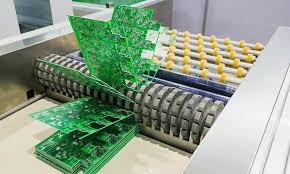
The Role of Conformal Coating in Flex Circuit Manufacturers
Among the most commonly used conformal coating materials are epoxy, acrylic, and silicones. Epoxy is the most affordable of these options and can be applied by dipping or by spraying. However, it offers limited protection against moisture and chemicals. Acrylic offers a greater degree of flexibility and can be applied by spraying or brushing. It also offers resistance to a variety of chemicals and can be cured with UV light.
Parylene is another popular option for conformal coating and can be applied by chemical vapor deposition. This specialized production process offers excellent dielectric strength and resistance to extreme temperatures, moisture, and corrosive elements. However, it is expensive and difficult to remove for rework.
The journey of manufacturing flex circuits begins with a detailed design phase. A flex circuit manufacturer collaborates closely with engineers and designers to ensure the circuit meets specific requirements. Unlike traditional rigid PCBs, flex circuits must withstand bending, twisting, and folding without compromising functionality. Manufacturers employ sophisticated design tools to create layouts that balance flexibility, durability, and performance. Factors like trace routing, impedance control, and thermal management are meticulously planned to prevent failure in high-stress applications.
Once the conformal coating is selected, it must be matched with a suitable base material and solder masking. FR4 and Rogers 4003 are common choices for flex circuit substrates, which should be compatible with the chosen conformal coating. Solder masking is also important to avoid damage from the conformal coating during assembly and testing. Finally, the coverlay should be durable and provide a good fit with the contours of the PCB and resist scratching or discoloration.


