

GRC Improve Decision-Making in Organizations
Often, governance, risk and compliance (GRC) processes are siloed and relegated to specialized departments. This makes it easy for substandard strategies to be chosen, redundancies to go unnoticed and day-to-day business operations to slow down. But a well-designed GRC strategy can be more than just an efficient business process, it’s a platform for driving principled performance. What’s more, when a GRC framework is aligned with a company’s vision and goals, employees can proactively identify and manage risks that could undermine those objectives.
The value of a well-designed GRC system is clear: It can prevent and resolve problems that may affect business operations, regulatory compliance or ethical standards. However, it’s important to keep in mind that the implementation of such a system can be difficult. This is especially true if existing GRC processes are disorganized.
As a result, it’s important for companies to develop a grc governance risk compliance framework that’s designed to integrate with all business activities. This includes establishing a GRC team, including the chief risk officer, CFO, COO and VP of IT, as well as assigning roles to the legal department and a range of other functional areas. Creating a team will allow everyone to understand their role in the process and ensure that cross-functional collaboration is promoted.
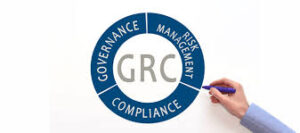
How Does GRC Improve Decision-Making in Organizations?
Once the team is established, the next step is to create a GRC structure that supports business goals. To do this, it’s important to determine the organization’s risk appetite and tolerance, its operational environment, as well as its current compliance status. This information will help to define the GRC strategy and set consistent standards for assessing risk, control implementation, monitoring and reporting.
Another way that a well-designed grc governance risk compliance strategy can improve decision-making is by providing real-time visibility into regulatory shifts and how they’ll impact the company’s current position. Visibility allows leaders to address any gaps that may arise, avoiding costly penalties and ensuring compliance.
Second, it streamlines processes, making it easier to monitor, assess, and manage these aspects across the organization. Third, it allows organizations to be more agile, quickly adapting to changes in regulations or risk conditions while maintaining a consistent approach to governance. Moreover, a strong GRC program helps build trust with stakeholders, including investors, customers, regulators, and employees, by demonstrating that the organization operates in a responsible and accountable manner.
Ultimately, effective GRC practices can provide a competitive advantage for organizations. They can improve operational efficiency, reduce risks, enhance reputational capital, and ensure compliance with complex regulations. As the business landscape becomes increasingly complex and interconnected, the need for an integrated GRC framework is more crucial than ever for achieving long-term success and sustainability.
One of the most common mistakes that companies make when implementing a GRC solution is designing the system around their old workflows. This can be expensive and create long-term issues. It’s best to approach the process with an open mind and be willing to adopt a new system that can grow as the business grows.