

Pilates Machines Safe For Pregnant
The answer is yes, Pilates is safe for pregnant women to practice, but with a few key precautions. It is important to always listen to your body and avoid over-exertion or exercise that places too much pressure on the uterus. In addition, it is essential to keep up a regular check-in with your healthcare provider and be prepared to adapt your workout as your pregnancy progresses.
The benefits of prenatal pilate machines include strength, balance, and flexibility. In addition, it prepares your body for labour by strengthening the pelvic floor muscles that support the fetus and can become strained during pregnancy. Strong pelvic floor muscles will help reduce pain in the back and hips as your belly grows and your centre of gravity shifts.
Prenatal Pilates also strengthens the oblique abdominal muscles which will help maintain good posture and stability during pregnancy. It also helps to ease the common discomforts of pregnancy such as back pain, indigestion, and swelling of the feet and ankles by improving circulation to these areas. Finally, it also improves your breath, which will help you stay calm and breathe effectively during labour.
In general, Pilates is a very low-impact, whole-body exercise that provides a good overall workout. The exercises are very precise and require a high degree of control, which can be challenging for beginners, but it is especially difficult when the core is tight from pregnancy hormones. The movements will also feel different as you move through each trimester and your body changes shape.
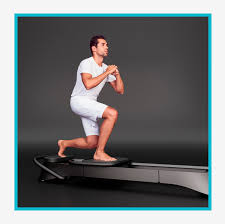
Are Pilates Machines Safe For Pregnant Women?
As with any exercise, it is important to always consult your healthcare provider before starting a new routine, particularly if you are not used to Pilates. It is also important to find a well-trained instructor who will be aware of the changes that are happening in your body and will be able to modify your exercises accordingly.
Pilates is a full-body workout, so as your belly grows, it will not be possible to perform some of the more advanced movements. However, there are plenty of other moves that will be safe to continue, and your instructor should be able to guide you through these exercises.
It is very important to listen to your body and stop if you experience any discomfort or pain, especially in the first trimester. It is also important to drink lots of water before, during and after your workout.
During your prenatal Pilates sessions, your instructor will be able to adjust the intensity of the workout to suit you. You should aim for two to three sessions per week with a rest day in between. This will allow your body to recover between sessions and prevent over-exertion, which is important in pregnancy. It is also important to follow any nutrition advice given to you by your healthcare provider. Lastly, it is important to take care of your emotional state, as stress can be harmful during pregnancy and may affect your baby’s development. You can do Pilates in a group class or privately with an experienced instructor.


